







Search Results for: Yunnan Small-Molecule
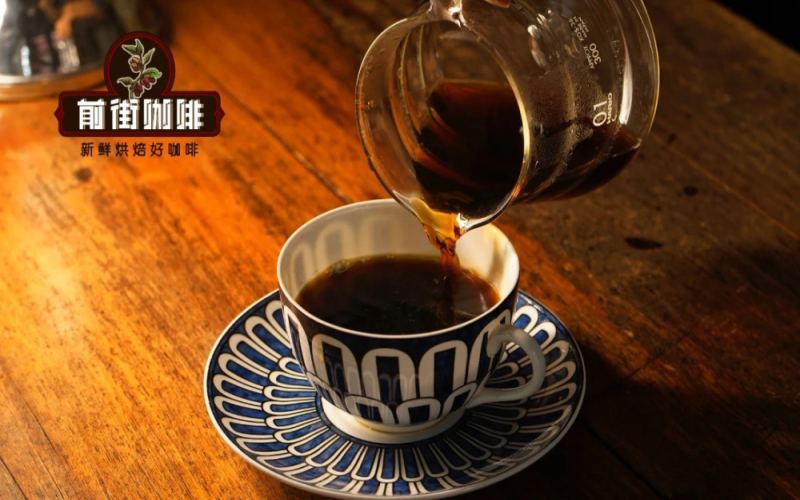
Yunnan Huaguoshan Small Bean Coffee Flavor Review and French Press Brewing Steps Explained
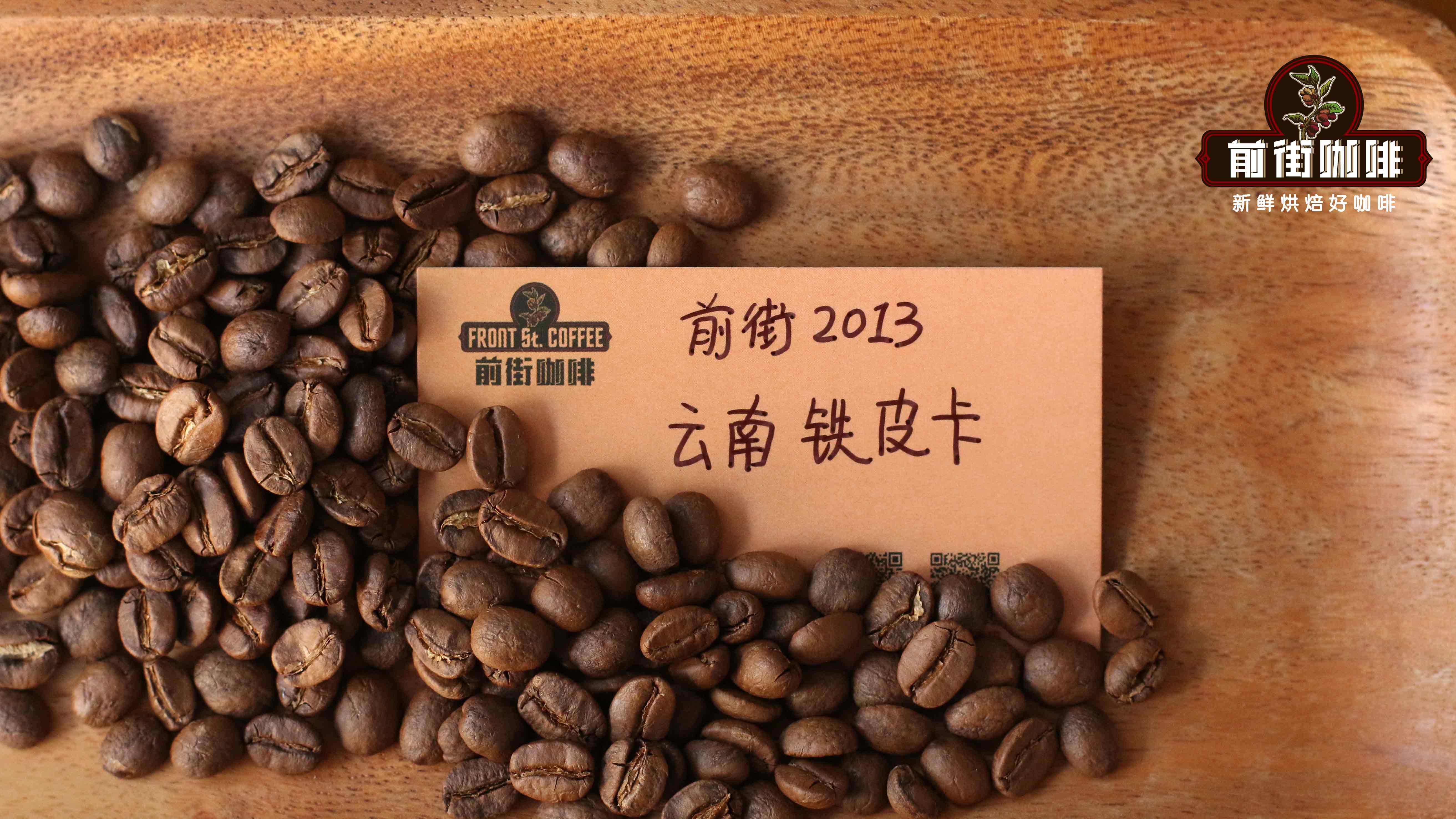
Yunnan coffee has always been known for its balanced flavor, combining acidity, sweetness, and bitterness, with chocolate notes and fruity acidity coexisting under a medium roast. Front Street Coffee currently has two representative Yunnan beans: one is an entry-level pour-over bean with nutty and herbal notes, brown sugar sweetness, and plum acidity; the other is a 2013 sun-dried Typica, featuring prominent melon sweetness, bright berry acidity, black tea-like body, and a clean finish. Early Yunnan Typica was extensively cut down due to leaf rust and low yield, replaced by the disease-resistant and high-yielding Catimor, and today over 90% of Yunnan's coffee trees are Catimor. Front Street persists in growing pure Typica in Lincang, naming it "Front Street 2013 Sun-Dried Typica." This article will also break down in detail the seven steps of brewing Yunnan coffee with a French press, from grinding ratio to pressing timing, helping you easily make a great cup of coffee. [more…]
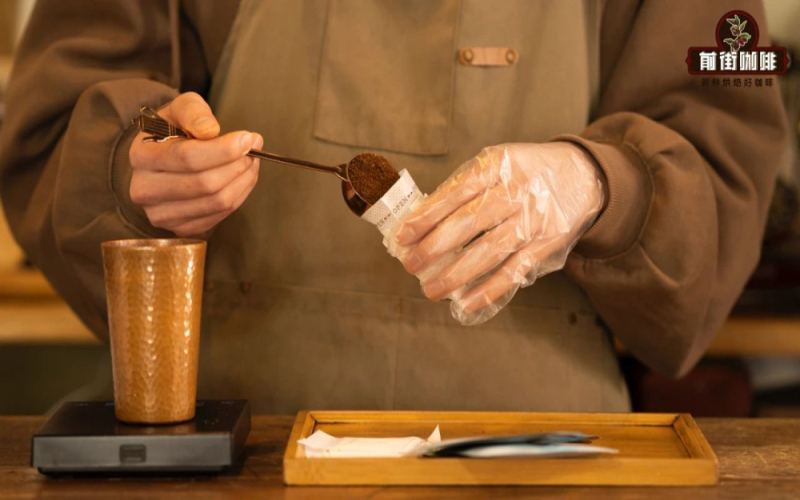
Drip Bag Coffee Buying Guide: Brand Flavor Comparison and Detailed Hot and Cold Brewing Techniques
Drip bag coffee has become a daily choice for many coffee lovers thanks to its convenience, but the flavor differences between brands and origins are significant. This article starts with Front Street Coffee's diverse origin series of drip bag coffees, reviews the invention history and core characteristics of drip bag coffee, explains in detail the two practical methods of hot brewing and iced brewing, and analyzes one by one the flavor characteristics and processing method backgrounds of seven Front Street drip bag coffees—Golden Mandheling, Panama Butterfly, Yirgacheffe Red Cherry, Brazil Red Bourbon, Colombia Huila, Costa Rica Tarrazu, and Yunnan Small Bean—helping readers easily enjoy a cup of consistently high-quality drip coffee even in a fast-paced life. [more…]
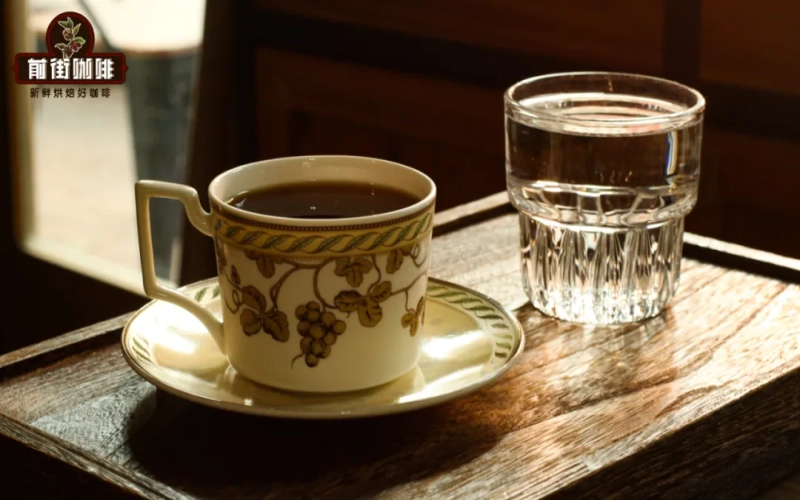
The Science Behind Coffee's Sweet Aftertaste: Why Does Water Taste Sweeter After Coffee? Taste Bud Distribution and Taste Mechanisms
Many coffee lovers have had this experience: after drinking a cup of espresso or single-origin coffee, plain water tastes remarkably sweet. Behind this phenomenon lies the working mechanisms of taste receptors, the effect of taste contrast, and the physiological role of saliva secretion in the mouth. Starting from real customer feedback at Front Street stores, this article systematically analyzes the principles behind coffee's sweet aftertaste, explains the distribution and function of taste buds on the tongue, and explores why coffee's bitterness actually enhances the sweetness of the water that follows. At the same time, the article will draw on specific products such as Front Street Strawberry Candy, Front Street Blackberry, Front Street Mozart, Front Street Sidra, and Front Street 2013 Yunnan Small-Bean to help readers understand this fascinating taste phenomenon more intuitively. [more…]

The Principles and Details Behind Drip Coffee Brewing, and a Flavor Analysis of Five High-Cost-Performance Arabica Blends
Drip bag coffee has become increasingly popular in recent years, thanks to its ability to quickly brew a cup of black coffee with just a simple cup and hot water. But what exactly determines its flavor? And how does it differ from pour-over? This article starts with the structure and brewing principle of drip bags, analyzes the impact of pre-ground coffee on aroma and shelf life, and reminds you to pay attention to the roast date when purchasing. Finally, we have compiled five seasonal, high-value Arabica drip bag coffees, including Front Street's Huakui, Yirgacheffe Gedingding, Mandheling G1, Yunnan Small-Molecule, and Brazil Cerrado Red Bourbon, introducing their processing methods and brewing flavors one by one to help you find the one that suits your taste. [more…]
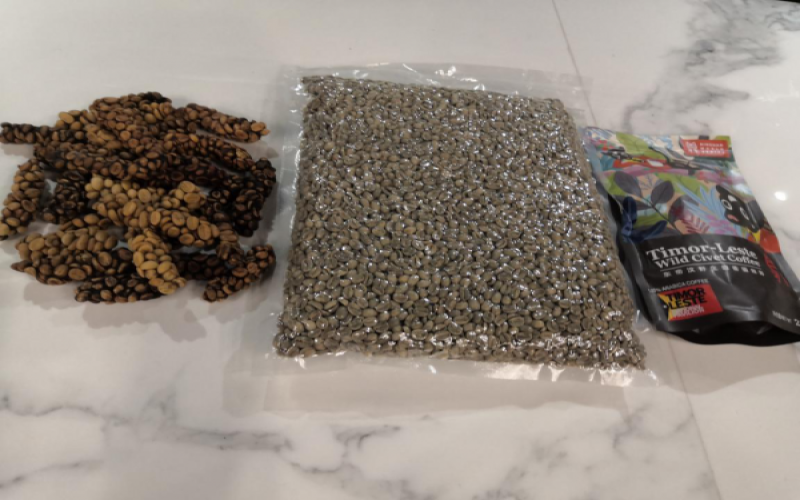
An Analysis of the Real Price of Indonesian Kopi Luwak: Is 396 Yuan per Cup Reasonable, and What Accounts for the Difference Between Wild and Farmed?
Kopi Luwak is celebrated as one of the most expensive coffees in the world. It once sold for US$1,200 per kilogram in the American market, a cup was priced at £50 in London, and during the 2010 Shanghai World Expo it was even marked at a high price of 396 yuan per cup. Yet on Taobao, 100 grams of Kopi Luwak coffee beans sell for only around 200 yuan. This stark price gap leaves many coffee lovers puzzled. What is the real market price of Kopi Luwak? Are the products on Taobao trustworthy? This article will take an in-depth look at the price structure of Kopi Luwak—from the differences between wild and farmed civets, to the civet's unique digestive mechanism, to the price variations brought by different places of origin—to reveal the truth behind this cup of the "royalty of coffee." [more…]
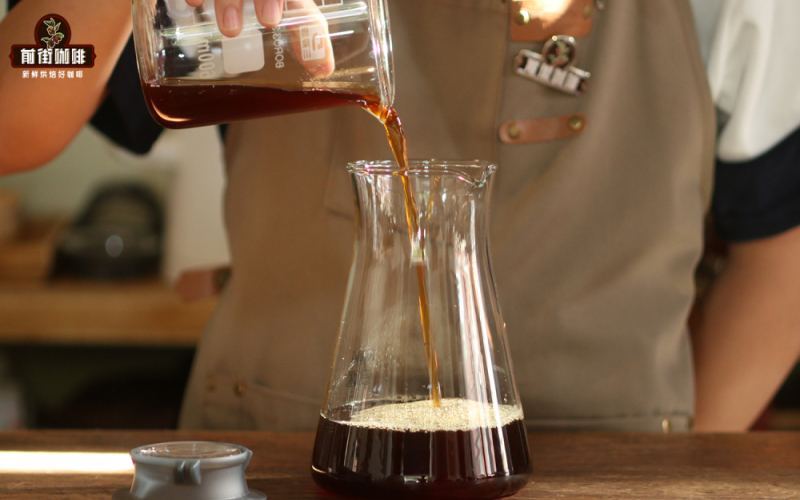
What beans to choose for Starbucks cold brew? Front Street analyzes Yunnan cold brew coffee bean flavors and specialty stories
Cold brew coffee, with its smooth mouthfeel and low bitterness brought by low-temperature long-time extraction, has become a favorite of many coffee lovers. The cold brew series once launched by Starbucks made this trend sweep the whole country. So, which type of coffee beans should be chosen for making cold brew? Front Street Coffee recommends sun-dried, washed, or specially processed beans, and takes Yirgacheffe Gudingding and Panama Butterfly as examples to show the flavor performance of different producing regions. This article will also share creative drinking methods such as adding sparkling water, milk, or alcohol, as well as a hands-on experience of making cold brew with room-temperature water, to give you a comprehensive understanding of the charm and key points of making cold brew coffee. [more…]
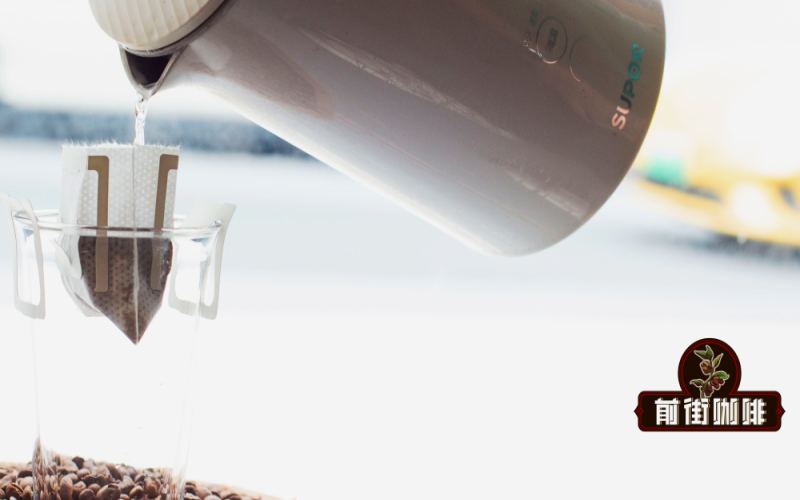
How to brew Front Street Arabica drip coffee bags? A guide to the correct brewing method and flavor choices for fresh, freshly ground drip coffee bags
Drip bag coffee is often mistakenly regarded as less professional than pour-over, but as long as you choose quality coffee beans, insist on fresh grinding, and master the right parameters, drip bags can also deliver a wonderful flavor close to pour-over. To let more people easily enjoy fresh coffee at home, Front Street Coffee regularly updates its seasonal drip bag coffee lineup; all selected beans are freshly roasted and ground within 5 days, and orders are shipped within 24 hours after purchase. This article focuses on the flavor differences of single-origin Arabica coffees and recommends four categories of Front Street Coffee drip bag products according to roast level and processing method. It also explains in detail the standardized brewing steps for drip bags, including cup selection, water temperature control, pouring technique, and coffee-to-water ratio, to help coffee lovers brew a full and balanced cup of good coffee. [more…]
Can Drip Bag Coffee Wake You Up? A Detailed Guide to Specialty Drip Bag Brewing Steps and Flavor Varieties
Drip bag coffee, with its portability and ease of use, has become the top choice for many office workers seeking a daily pick-me-up. It is a form of filter extraction that requires no grinder or dripper—just hot water and a cup. This article covers the definition of drip bag coffee, how it differs from pour-over, the flavor characteristics of several representative seasonal drip bags, and specific brewing steps and precautions, helping coffee lovers consistently brew a smooth, delicious cup in the office or at home. [more…]

Introduction to specialty coffee beans from Asia, Africa, and the Americas | What light, medium, and dark roast pour-over coffee beans are recommended for coffee beginners?
What is pour-over coffee? Pour-over coffee refers to manually brewed coffee, also known as drip coffee. This method was invented in 1908 by the German woman Melitta Bentz. In order to promote this brand-new coffee extraction method to the outside world, Mrs. Melitta also [more…]
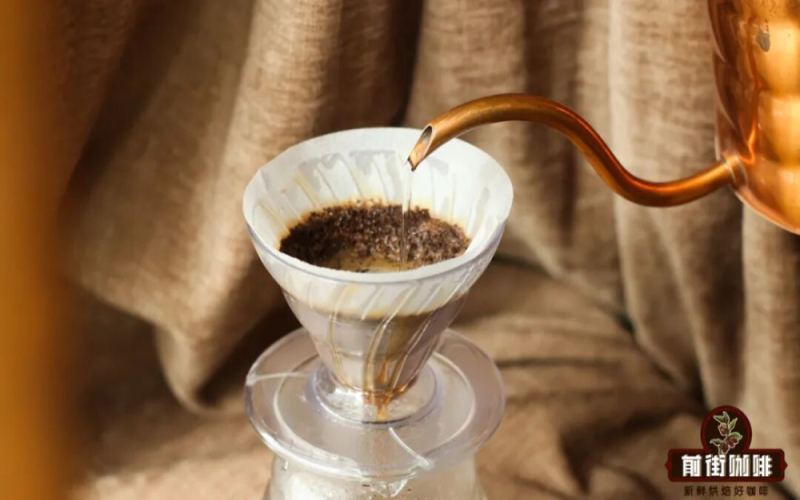
How to Choose Beginner Pour-Over Coffee Beans? A Full Analysis of the Flavor Characteristics and Brewing Key Points of Six Major Regions
Want to step into the world of manual pour-over coffee? Choosing the right beans is the first step. This article begins with the origins of pour-over coffee and systematically outlines the flavor characteristics of six representative producing regions across three continents—Africa, the Americas, and Asia—covering Ethiopia Yirgacheffe, Colombia Huila, Brazil Cerrado, Costa Rica Tarrazu, Yunnan small bean, and Indonesia Mandheling, along with beginner recommendations based on Front Street Coffee's specific products. It also breaks down in detail the six key factors affecting pour-over extraction—bean freshness, grind size, coffee-to-water ratio, water temperature, pouring technique, and extraction time—helping coffee lovers build a clear brewing framework and quickly find the cup that suits them. [more…]
A Comprehensive Analysis of the Flavor Characteristics and Representative Bean Varieties of the Three Major Coffee Regions: Africa, Latin America, and Asia
Coffee cultivation cannot be separated from suitable climate conditions, and the "Golden Belt" located between 25° north and south latitudes is precisely the ideal region for coffee growth. Currently, 79 countries and regions around the world are engaged in coffee cultivation and production, and the terroir conditions of different producing areas create distinctive coffee flavors. This article introduces the flavor characteristics and representative bean varieties of coffee-producing countries in the three major producing regions of Africa, Latin America, and Asia, including the floral aroma and fruity acidity of Ethiopia, the intense berry notes of Kenya, the balanced richness of Colombia, the nutty smoothness of Brazil, as well as the herbal intensity of Indonesian Mandheling and the mild balance of Yunnan small beans, helping coffee enthusiasts establish a systematic framework for understanding producing regions. [more…]
A Beginner's Guide to Pour-Over Coffee: Getting to Know Filter Coffee and the Signature Flavors of Six Classic Origins from Scratch
For friends who are just getting into pour-over coffee, understanding its basic principles and choosing a suitable starter bean are equally important. Pour-over coffee is essentially a drip extraction method, invented and popularized as early as 1908 by the German Melitta Bentz. When choosing beans, beginners usually start with representative coffees from the three major producing regions of Africa, the Americas, and Asia, as these beans tend to have highly recognizable flavors and are affordably priced. This article will systematically introduce the basics of pour-over coffee and analyze one by one the flavor characteristics of classic regions such as Ethiopia Yirgacheffe, Colombia Huila, Brazil Cerrado, Costa Rica Tarrazu, Yunnan small-bean, and Indonesia Mandheling, while also including the key factors affecting extraction and the operational process, to help you quickly build an overall understanding of pour-over coffee. [more…]
Why Is Cold Brew Coffee So Popular? A Full Analysis from Flavor Characteristics to Front Street Coffee's Bean Lineup and Brewing Methods
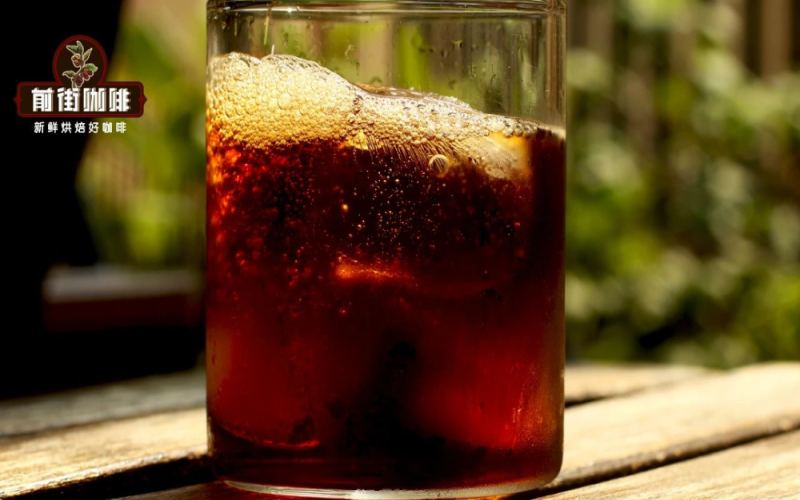
Cold brew coffee has gained increasing favor among coffee enthusiasts in recent years, not only because of its comfortable drinking temperature, but also for its smooth, full-bodied taste and its more delicate expression of coffee bean aromas. Unlike hot water extraction, cold brew uses cold or room-temperature water to soak coffee grounds, then refrigerates for 8 to 12 hours to complete extraction. The low-temperature environment reduces the release of acidic substances, making cold brew noticeably less sour and astringent than hot brew, while extracting only small-molecule flavors such as fruity acidity and floral notes, resulting in a cleaner, fuller taste. This article will explore the flavor principles of cold brew, recommend three single-origin beans from Front Street suitable for cold brew, detail the specific brewing steps, and discuss cold brew's advantages in caffeine content, mild acidity, and ease of preparation, giving you a comprehensive understanding of this slowly extracted cold coffee. [more…]
A Complete Analysis of Medium Roast Coffee Bean Flavor and Mouthfeel: How Roast Level Affects the Acid-Bitterness Balance and Brewing Choices
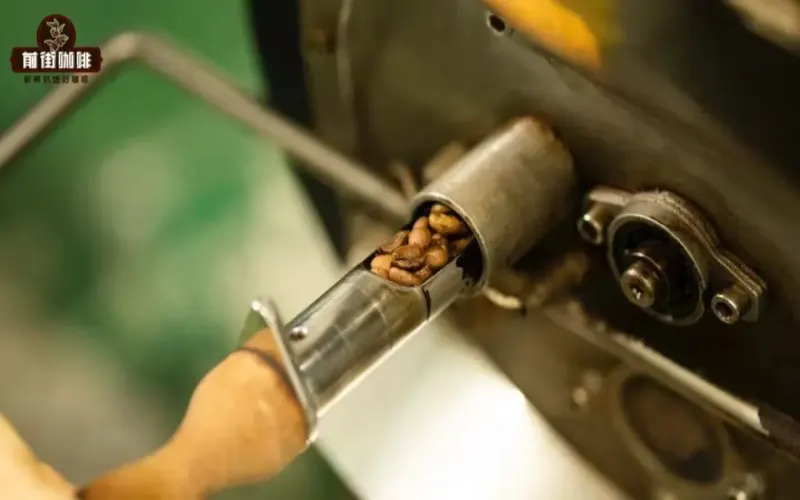
The roast level of coffee beans not only shapes the overall taste but also directly determines the direction of the flavor. If a cup of coffee has a prominent bitterness, it often means a darker roast; if the acidity is sharp, it is most likely a lighter roast. For those who prefer a balanced taste, medium-roasted beans are usually the safest choice. During roasting, the three taste elements of acidity, sweetness, and bitterness rise and fall in inverse proportion to one another: the longer the roasting time, the weaker the acidity and the stronger the bitterness. The temperature for a medium roast is roughly between 200 and 215°C; the beans are brown with a slightly oily surface, combining a modest amount of acidity with a mellow mouthfeel, while caramelization brings sweetness, resulting in a well-balanced overall performance that suits a variety of brewing methods such as espresso machines, moka pots, pour-over, French press, and cold brew. This article will also draw on a range of single-origin beans from the Front Street brand to offer purchasing recommendations tailored to different devices and flavor preferences. [more…]
How to Choose Non-Bitter Coffee Beans for Pour-Over and Espresso? Light vs. Medium Roast Flavor Differences and Front Street Coffee Bean Recommendations
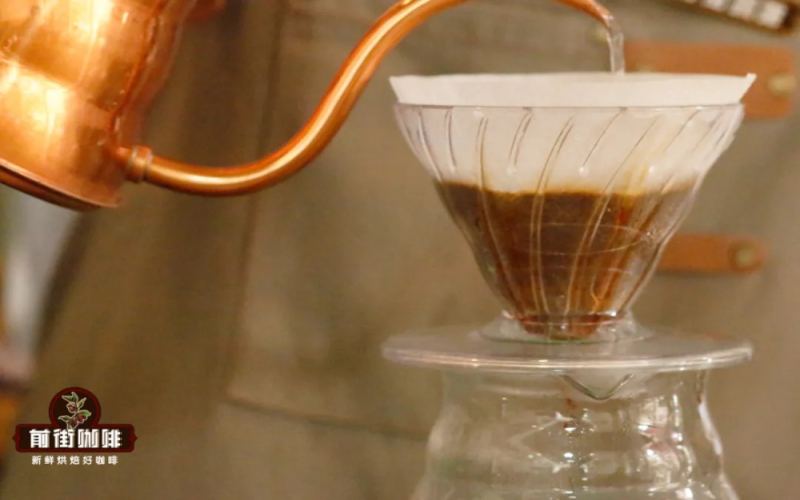
To enjoy a smooth cup of coffee without bitterness, the key lies in understanding the relationship between extraction principles and roast level. Soluble compounds in coffee dissolve into hot water, with fruity acidity emerging first, sweetness following, and bitterness last. Light-roasted beans retain more chlorogenic acid and small-molecule compounds, with a low degree of caramelization and minimal bitterness generation, making them ideal for highlighting floral notes and citrus or berry qualities. For pour-over beginners, light to medium roasts are the best starting point—for example, Front Street Coffee's washed Gudingding and Front Street Coffee's natural Huakui. The former has bright acidity and a delicate finish, while the latter offers full fruity aroma and a rich mouthfeel. If you use an espresso machine at home, pressurized extraction tends to amplify flaws, so you should choose medium-roast espresso beans, such as Front Street Coffee's Strawberry Candy Espresso, which has dense crema and a sweet-and-sour profile like strawberry gummy candy. [more…]
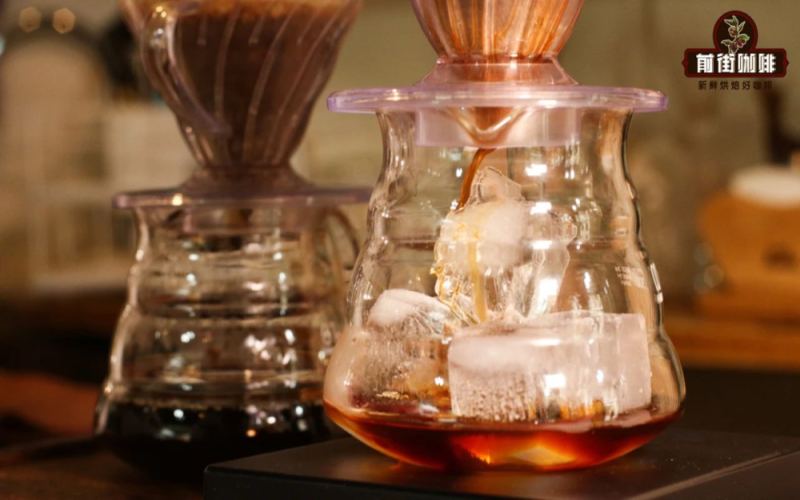
Cold Brew, Ice Drip, and Iced Americano: A Flavor Difference Analysis, Plus Beginner Cold Brew Coffee Steps and Parameters
As the weather warms up, iced coffee becomes a daily choice for many people. Besides the common iced Americano, cold brew and ice drip—two low-temperature extraction methods—are also attracting attention. Iced Americano is made quickly with espresso and ice water, while cold brew and ice drip require hours or even a full day of waiting. In a low-temperature environment, small-molecule flavors—the sweet and sour notes—are extracted first, while large-molecule bitter compounds remain inside the coffee, so the finished cup tastes mellower, more refreshing, and rounder, with noticeably less bitterness. Because ice drip equipment is relatively expensive, cold brew made by direct immersion is more suitable for home use. This article compares the taste characteristics of the three iced coffees and, using Front Street Coffee beans at light, medium, and dark roast levels as examples, provides a set of cold brew parameters and a step-by-step process suitable for beginners, helping you easily make a delicious cup of cold brew coffee at home. [more…]
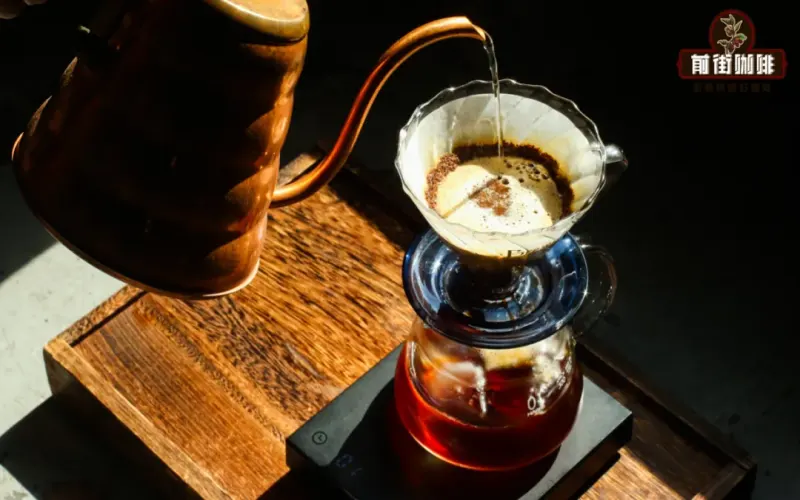
Analysis of Causes for Insufficient Sweetness in Pour-Over Coffee and Brewing Adjustment Ideas to Enhance Sweetness
Many people hope to bring out a more pronounced sweetness when brewing coffee, because sweetness often delivers a more enjoyable drinking experience. But the sweetness in coffee does not exist on its own—it is closely tied to the balance between acidity and bitterness, and is also significantly affected by the roast level and the extraction process. Starting from the logic behind how coffee sweetness forms, this article combines the sweetness characteristics at different stages—light, medium, and dark roast—to sort out the release rhythm of sweet, sour, and bitter compounds in pour-over coffee. It also addresses the two common scenarios of over-extraction and under-extraction, offering specific adjustment methods for water temperature, grind size, coffee-to-water ratio, and staged pouring, to help you more effectively enhance the sweetness of your coffee in everyday brewing. [more…]
Arabica Coffee Bean Varieties Illustrated Guide: Flavor and Bean Shape Analysis of Typica, Bourbon, Caturra, Geisha, and More
The Arabica family has many members, and different varieties each have their own characteristics in bean shape and flavor. This article focuses on common Arabica varieties such as Typica, Bourbon, Caturra, Catuai, Geisha, and SL28 and SL34, and, combining Front Street Coffee's cupping experience and specific products, sorts out their green bean appearance characteristics and brewing performance. From Jamaica Blue Mountain No. 1 to Panama Hacienda La Esmeralda Geisha Red Label, from Brazil Queen Farm Yellow Bourbon to Kenya Asaliya, the article analyzes each variety's origin, processing method, and flavor profile one by one, helping coffee enthusiasts build a systematic understanding of Arabica varieties and also providing a reference for daily bean selection. [more…]
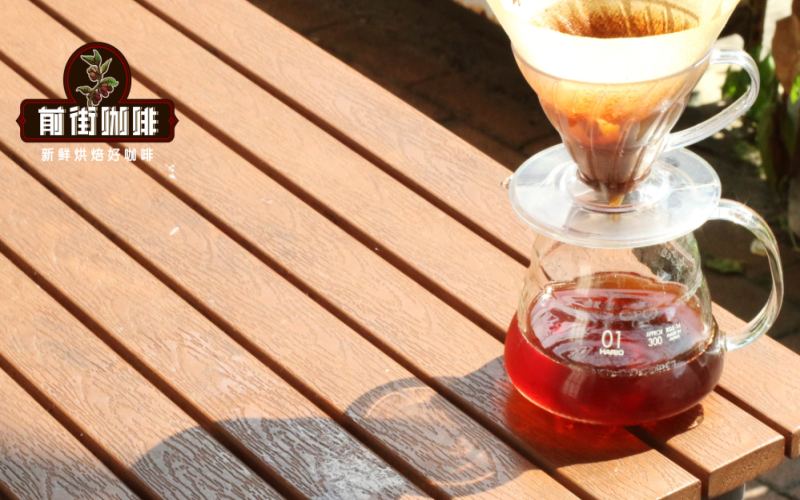
The Complete Guide to Making Cold Brew Coffee at Home: A Practical Guide from Bean Selection to Grind Ratio and Steeping Time
Making a delicious cold brew coffee at home is actually not complicated. Cold brew relies on low-temperature slow extraction, allowing small-molecule aromatic and acidic compounds to be released first, resulting in a light body with bright, well-balanced acidity and sweetness. All you need is coffee grounds, water, a sealed bottle, and a refrigerator. The real keys to success lie in three parameters: bean selection, grind size and coffee-to-water ratio, and steeping time. This article starts from flavor preferences, recommending beans such as Front Street Coffee Huakui, Xizhua, Queen's Estate, and PWN Golden Mandheling, and provides specific suggestions on grind coarseness, coffee-to-water ratio, and steeping time. Finally, using "Mozart" as an example, it fully demonstrates the production process and filtration method for 80g of grounds, 1:10 ratio, and 12 hours of refrigeration, helping you consistently replicate your ideal flavor. [more…]
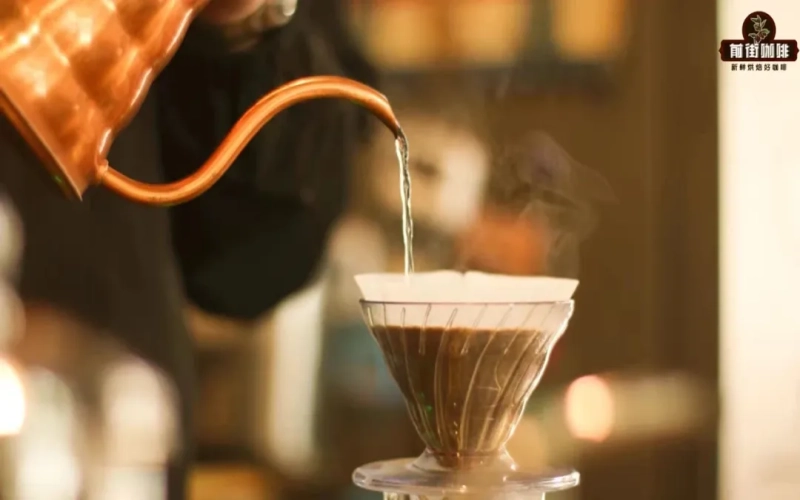
How Does Water Level in Pour-Over Coffee Shape Flavor: Explaining the Principles and Practical Points of a High-Sweetness Brewing Method
On various coffee-sharing platforms, the term "high water level" appears frequently, claiming that by controlling the water level height during brewing, coffee can be made to show a more prominent sweetness. Can the water level really dictate the flavor direction of a cup of coffee? This article will start from the coffee bed structure and extraction mechanism, analyze the respective advantages and applicable scenarios of high and low water levels, and give specific operational suggestions, including how high the coffee bed should be raised in the dripper, and how to reduce the difficulty of water control through pulse pouring and other practical techniques. It will also recommend Front Street series bean lists suitable for pursuing sweetness, helping you brew your ideal flavor with the right method. [more…]